

Enhancing RNAi efficiency in Phytophthora infestans using cell-penetrating peptide TAT
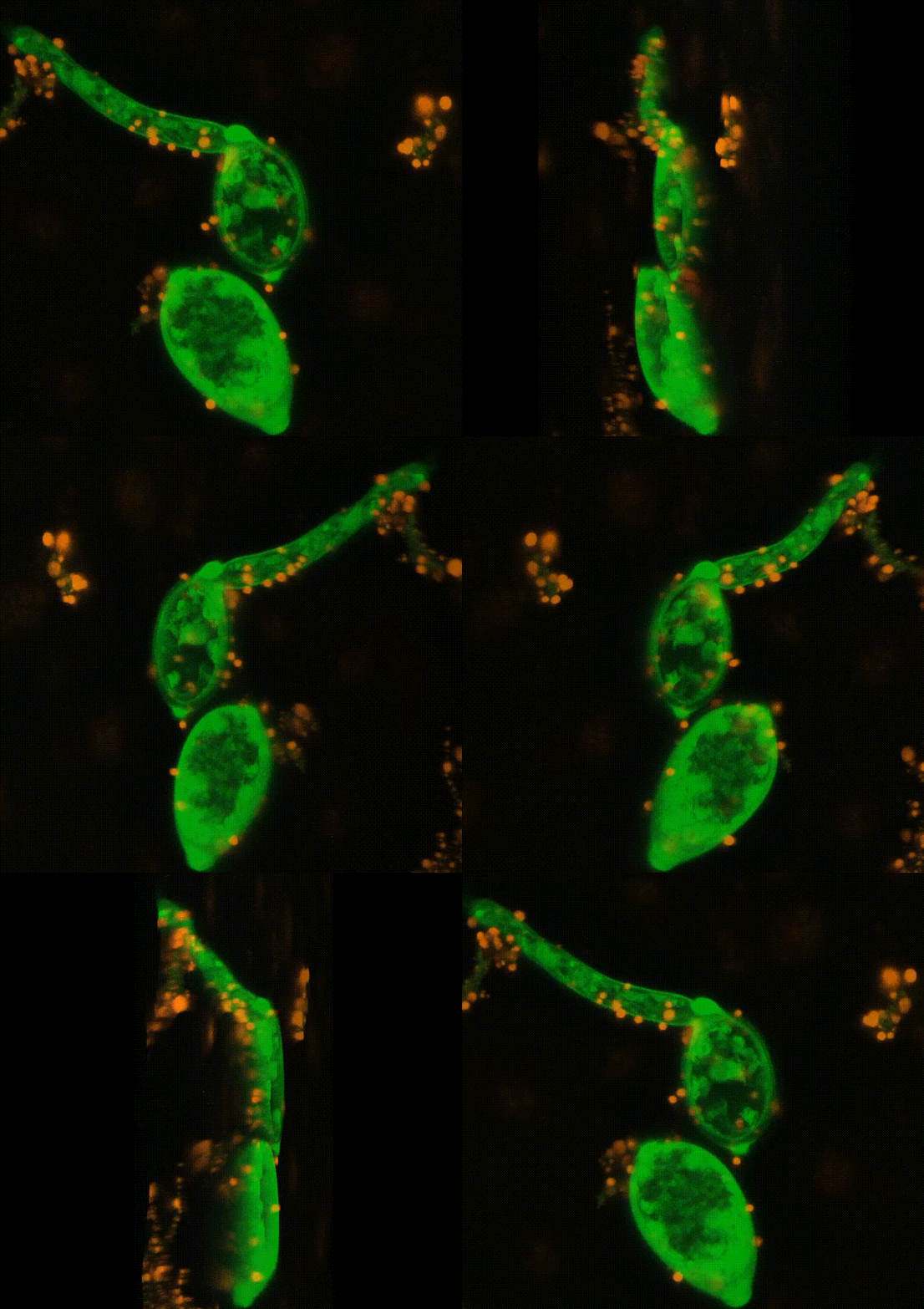
Synthetic double-stranded RNA (dsRNA) can be used to control plant pests and pathogens by inducing RNA interference (RNAi) in the cells of the target organism. However, this could be challenging especially in species with naturally lower dsRNA uptake capabilities, such as the late blight pathogen Phytophthora infestans. Short peptides that readily cross the cell membrane, called cell-penetrating peptides (CPPs), have been explored as molecular carriers for the delivery of therapeutic molecules, including proteins and nucleic acids. Here, we investigate the possibility of using CPPs to facilitate the uptake of dsRNA and increase the RNAi efficiency in P. infestans. We compared the penetration efficiency of four well-known CPPs in sporangia and hyphae and found that the cationic peptide derived from the transactivator of transcription protein (TAT) of the human immunodeficiency virus (HIV) is internalized efficiently, rapidly, and in an energy-independent manner. The TAT peptide also interacts with dsRNA electrostatically by forming particles with increased affinity towards the cell walls of P. infestans. In hyphae treated with TAT/dsRNA complex, the accumulation of high quantities of TAT peptide was observed, however, only a limited amount of dsRNA was detected. Nonetheless, TAT/dsRNA complex proved functional by triggering RNAi response by silencing the G-protein β-subunit gene (Pigpb1) in P. infestans in contrast to the naked dsRNA. Additionally, we found that the TAT peptide has a moderate ability to penetrate plant leaves and can move through the xylem. Our results indicate that CPPs can improve the efficiency of dsRNA-induced RNAi in P. infestans and have potential in the development of novel plant protection formulations.